

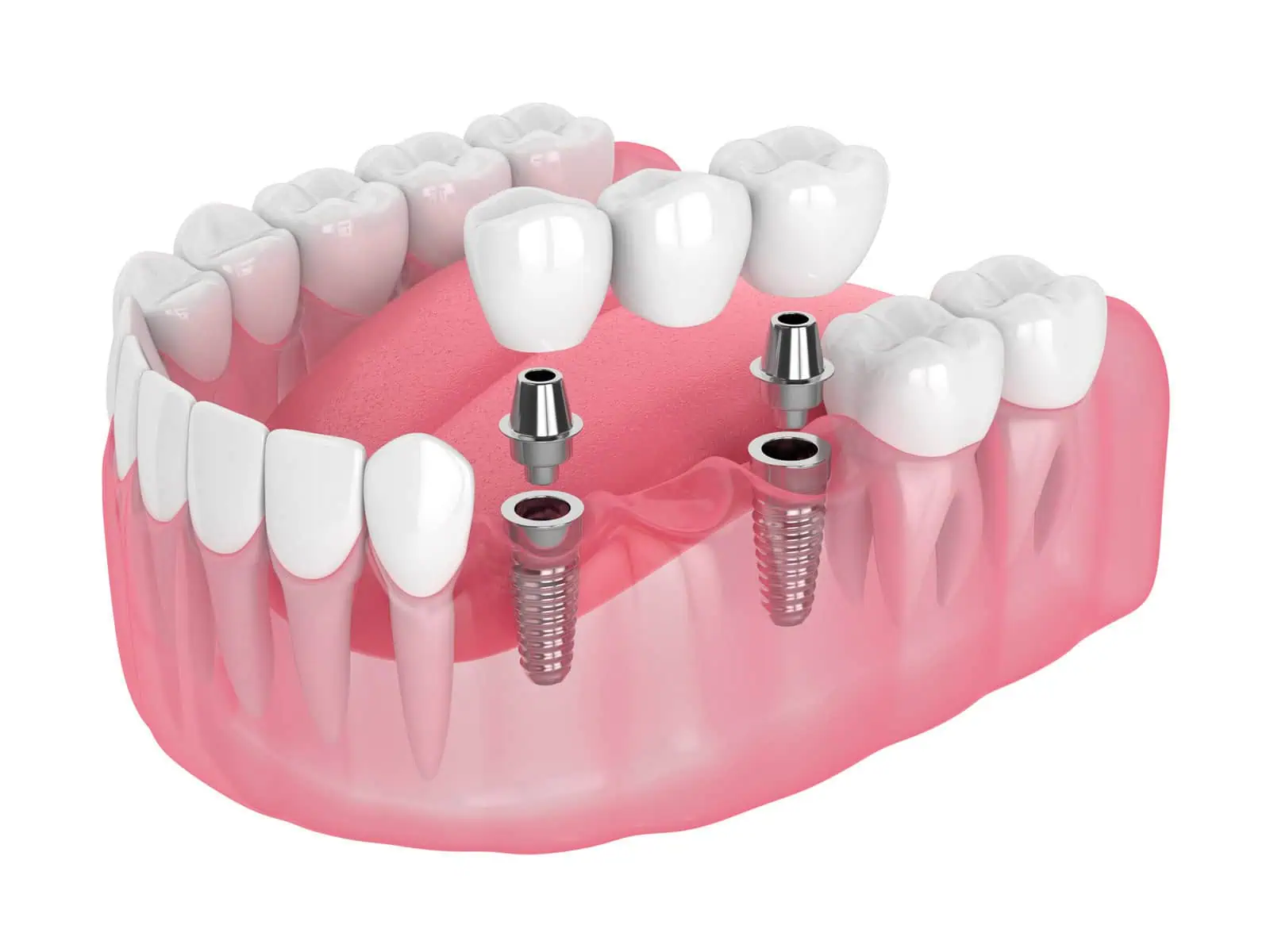
Choosing between implant supported dentures vs dentures is one of the bigger decisions you'll make in restorative dentistry, and it's normal to feel unsure about which path fits your life. Both options can replace missing teeth and help you eat, speak, and smile with more confidence, but they work in different ways, cost different amounts, and fit into your daily routine differently. At Kayscreek Dental in Kaysville, Dr. Eric Nelson takes time to walk each patient through both choices in plain language, no confusing terms, no pressure to decide on the spot. We accept most major PPO insurance plans and welcome new patients from Kaysville and the surrounding communities who are ready to talk through their options. This guide breaks down what each choice really means so you can walk into your appointment already feeling informed.
What Are Implant-Supported Dentures?
Implant-supported dentures use small titanium posts placed directly into your jawbone. Once your jawbone heals around the posts, a custom denture snaps or locks onto them. This gives the denture a stable base that moves with your jaw instead of sitting loosely on your gums. Because the denture is anchored, most patients find it easier to chew tougher foods and speak without worrying about slipping. Some designs are removable for cleaning, while others are fixed in place and only removed by your dentist. You can learn more about how this works on our implant-supported dentures page.
What Are Traditional Dentures?
Traditional dentures are removable appliances that rest on top of your gums. They're custom made to fit the shape of your mouth and are held in place by suction, adhesive, or the natural muscles of your cheeks and tongue. They don't require any surgery, which makes them a quicker path to a full smile for many patients. Over time, though, your jawbone and gums can change shape as you age, and that can affect how well a traditional denture fits. Regular adjustments and relines help keep them comfortable. You can see the full range of options on our dentures and partial dentures page.
Implant Supported Dentures vs Dentures: Side-by-Side Comparison
Every mouth is different, so the right choice depends on your bone health, budget, and how much stability you want day to day. Here's how the two options generally compare.
Feature-by-Feature Comparison
| Feature | Implant-Supported Dentures | Traditional Dentures |
|---|---|---|
| Stability | Anchored to implants, minimal shifting | Rests on gums, can shift while eating or talking |
| Bone Preservation | Helps slow bone loss by stimulating the jaw | Does not stimulate bone, jaw may shrink over time |
| Maintenance | Daily cleaning around implants, periodic checkups | Daily removal, cleaning, and soaking |
| Cost | Higher upfront investment | Lower upfront cost |
| Candidacy Requirements | Needs enough healthy jawbone or bone grafting | Available to most patients regardless of bone level |
| Long-Term Durability | Designed to last many years with good care | Typically needs relining or replacing every several years |
Neither option is automatically "better." Implant-supported dentures tend to offer more stability and help protect your jawbone, while traditional dentures are often the more accessible starting point, especially if you're not ready for a surgical procedure or need a faster solution.
Pros of Implant-Supported Dentures
- Stay firmly in place, so there's less worry about slipping while eating or laughing
- Help preserve jawbone density by keeping the bone active
- Often feel more like natural teeth when chewing and speaking
- Can reduce irritation and sore spots that come from a denture rubbing on the gums
- May last longer than traditional dentures with proper care
Cons of Implant-Supported Dentures
- Require a minor surgical procedure to place the implants
- Cost more upfront than traditional dentures
- Take longer to complete since the jawbone needs time to heal around the implants
- Not every patient has enough jawbone to support implants without additional treatment, like bone grafting
- Still need daily cleaning and regular dental visits to stay healthy
Who Is a Good Candidate?
Good candidates for implant-supported dentures usually have enough healthy jawbone to support the implants, along with gums free of active disease. General health matters too, since healing time depends on your body's ability to recover from a minor procedure. If bone loss has already happened, it doesn't automatically rule you out. Bone grafting can sometimes rebuild the area enough to support implants later. Patients who want the most stable, natural-feeling option and are comfortable with a longer treatment timeline tend to do well with this choice. If you're not sure where you stand, a conversation about dental implants and a simple exam can answer most of your questions.