Accepting New Patients in Kaysville, UT
Restorative & Implant Dentistry

Dental Bone Grafting in Kaysville, Utah for Implants

If your dentist mentioned you might need a dental bone graft in Kaysville, Utah before getting implants, it's normal to feel a little unsure about what that means. A bone graft simply rebuilds jaw bone that has thinned over time, giving an implant the solid foundation it needs to stay secure for years. At Kayscreek Dental, Dr. Eric Nelson, DDS personally evaluates your bone and explains your options in plain language, no confusing jargon. We accept most PPO insurance plans, so this added step doesn't have to feel like an added burden.

Same Doctor, Every Visit
Gentle, Unhurried Appointments
Most Insurance Plans Accepted
Dental bone grafting procedure planning
DDS

Personalized Care

Dr. Eric Nelson • Kaysville Dental

What Is a Dental Bone Graft and Who Needs One

A dental bone graft is a routine procedure that adds bone material to an area of your jaw that has lost density or volume. Think of it as building a stronger base before construction begins. Without enough bone, an implant post has nothing sturdy to anchor into, so grafting comes first when needed.

Common Reasons Jaw Bone Is Lost

Jaw bone often shrinks after a tooth has been missing for a while, since the bone needs the pressure of chewing to stay strong. Gum disease, old dentures that don't fit well, and even certain injuries can also wear down bone over time. None of these situations are unusual, and none of them mean you're out of options.

How Dr. Nelson Evaluates Your Bone Density in Kaysville

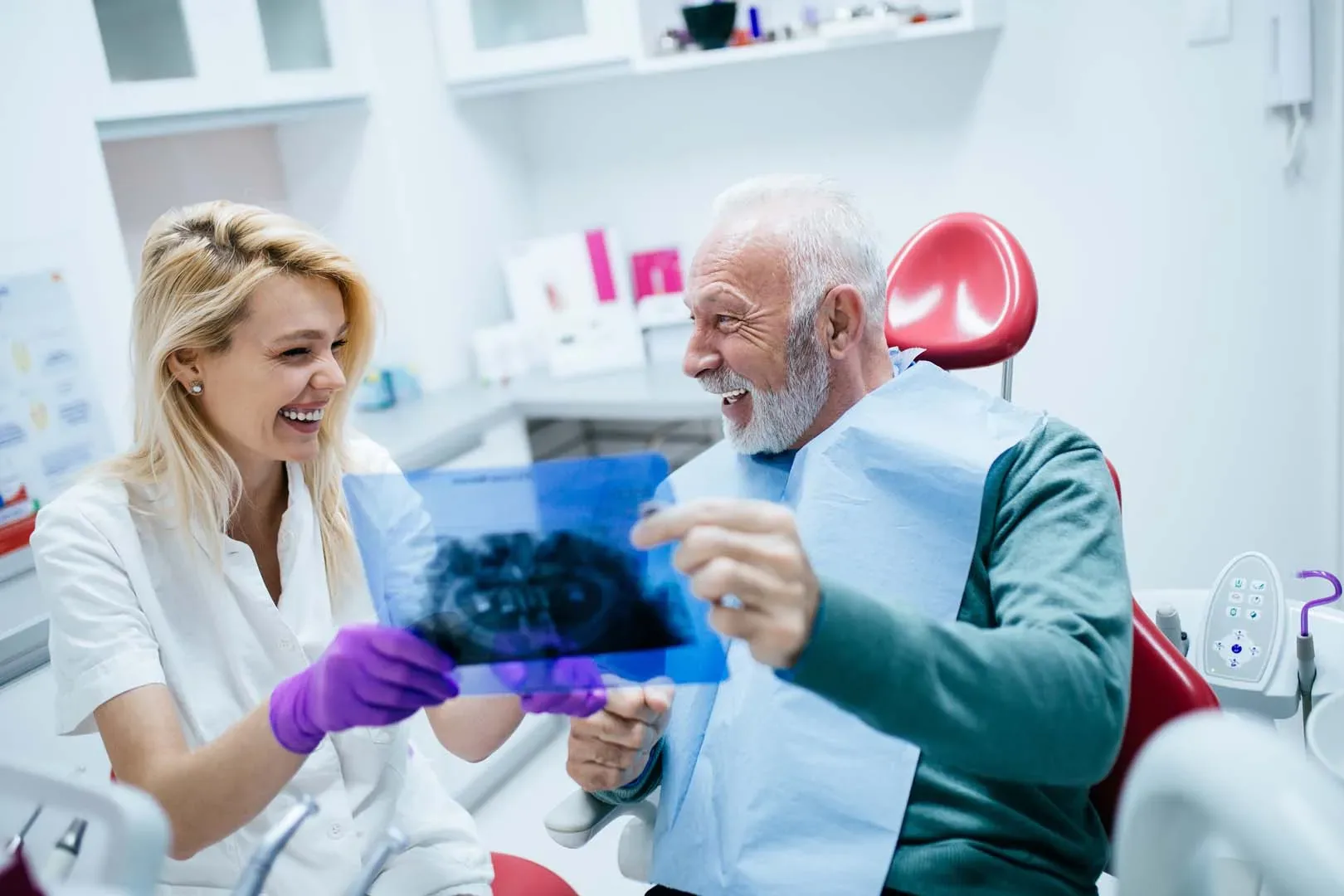
Dr. Nelson uses digital and 3D imaging to get a clear picture of your jaw before recommending anything. This lets him see exactly how much bone you have and where, so your treatment plan is based on your actual mouth, not guesswork. He walks through the images with you so you understand what he sees and why a graft is or isn't needed.


Benefits of Bone Grafting Before Implant Placement

A bone graft gives your implant a stable, long-lasting home. It helps the implant fuse properly with your jaw, supports the shape of your face and gum line, and lowers the chance of the implant shifting or failing down the road. For most patients, it's a one-time step that pays off for the life of the implant.

What Happens If You Skip the Bone Graft

Placing an implant into bone that's too thin or soft can lead to problems later, including the implant loosening, sinking, or failing altogether. Weak bone can also keep shrinking over time, making future treatment harder. Addressing bone loss early, rather than after an implant struggles, tends to be the smoother and more predictable path.


What to Expect During and After Your Bone Graft

Knowing what's ahead helps take the mystery, and the worry, out of the process.

The Bone Graft Procedure Step by Step

Dr. Nelson numbs the area first so you're comfortable throughout. He then places the graft material, which may come from your own bone, a donor source, or a lab-made substitute, depending on your case. The site is closed and left to heal, with the new bone gradually integrating with your existing jaw over the following months.

Healing Timeline and What's Normal

Mild swelling, tenderness, and some bruising are common for the first few days. Most patients return to normal activities within a day or two. Full bone healing before an implant can be placed usually takes a few months, and Dr. Nelson will check your progress along the way rather than guessing at timing.

This is often one part of a larger plan. Many patients move from a bone graft into dental implants or implant-supported dentures once healing is complete. If your bone loss started with a tooth that needs to come out, our tooth extractions and oral surgery page covers what that process looks like too. You can also see how bone grafting fits into our broader restorative dentistry services.

Have Questions About Your Dental Care in Kaysville?

Don't wait for minor issues or discomfort to grow. We offer prompt, comfortable appointments.

Call (801) 889-2090

Frequently Asked Questions About Bone Grafting

Find answers to common questions about dental care, insurance coverage, and post-treatment care at Kayscreek Dental.

Does a dental bone graft hurt?
Most patients feel little to no pain during the procedure because the area is fully numbed first. Some soreness and mild swelling are normal for a few days afterward, and over-the-counter pain relief usually keeps you comfortable.
How long does bone graft healing take before implants?
Healing time varies by patient and graft size, but most people need three to six months for the new bone to become strong enough to support an implant. Dr. Nelson checks your healing progress before moving forward with implant placement.
Does insurance cover dental bone grafts in Kaysville?
Many PPO dental plans cover at least part of a bone graft, especially when it's needed to support an implant. Our team can check your specific plan and walk you through your coverage before treatment begins. Visit our insurance and financing page for more details.
Can I get a bone graft and implant at the same appointment?
Sometimes, yes. If you have enough healthy bone remaining, Dr. Nelson may be able to place the graft and implant together. In cases with more significant bone loss, healing time between the two is usually needed for the best result.
Kaysville, UT • Kayscreek Dental

Take the First Step Toward a Stronger Foundation

You don't have to figure out your bone grafting questions on your own. Dr. Nelson will look at your specific situation, explain your options clearly, and help you feel confident about the path ahead toward implants.