Accepting New Patients in Kaysville, UT
Restorative & Implant Dentistry

Implant-Supported Dentures in Kaysville, Utah

If your dentures slip when you eat, talk, or laugh, you are not alone, and you do not have to keep living with it. Implant supported dentures in Kaysville, Utah give you a denture that locks onto dental implants instead of resting loosely on your gums, so it stays put day after day. At Kayscreek Dental, we accept most PPO insurance plans, including Delta Dental and MetLife, and our Monday hours run until 6 PM so working patients do not have to take time off just to see us. Dr. Eric Nelson will walk you through your options in plain language, with no pressure and no judgment about the dentures you have been wearing.

Same Doctor, Every Visit
Gentle, Unhurried Appointments
Most Insurance Plans Accepted
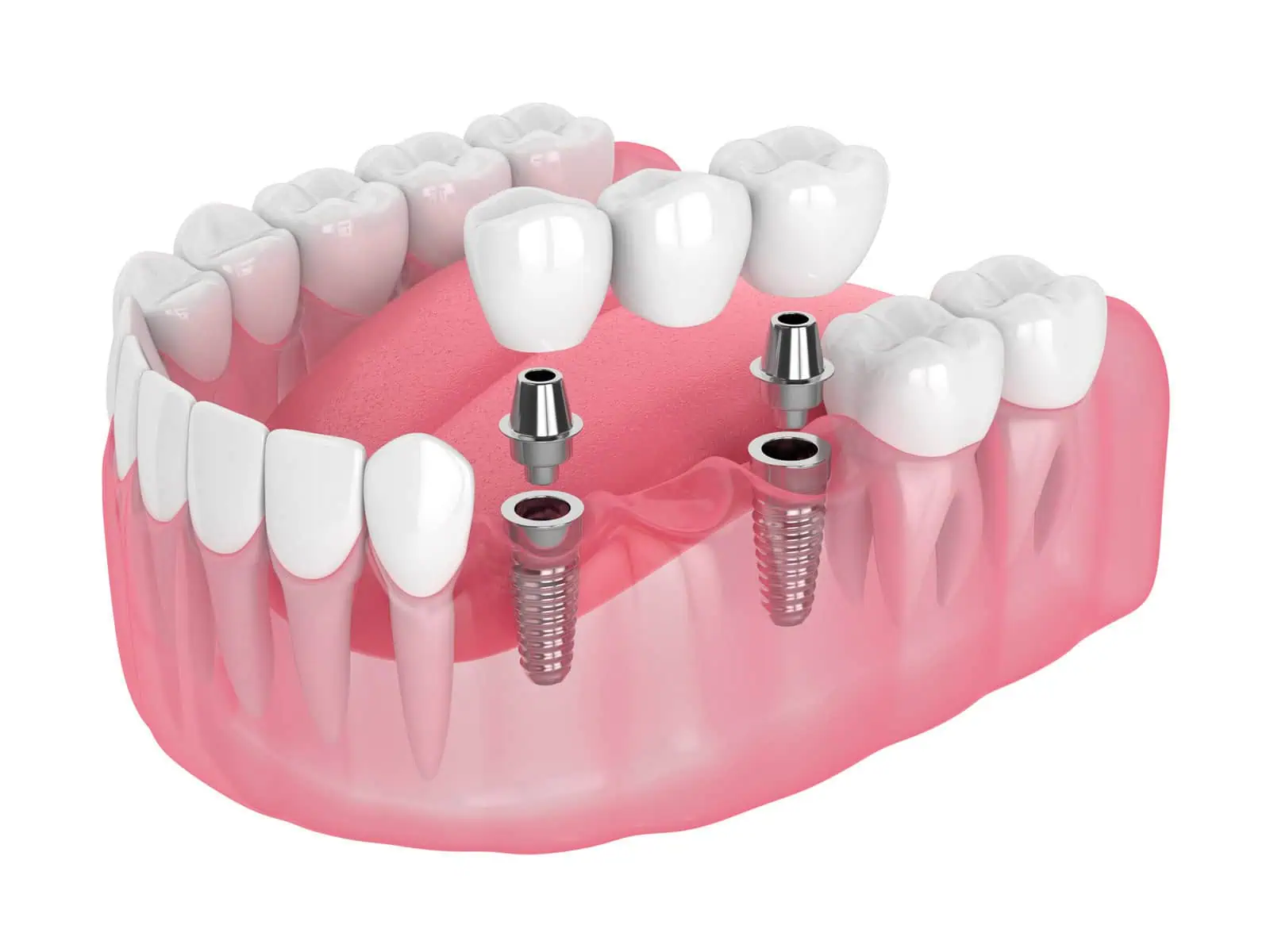
Implant-supported dentures secured to dental implants
DDS

Personalized Care

Dr. Eric Nelson • Kaysville Dental

What Are Implant-Supported Dentures?

Implant-supported dentures are full or partial dentures that attach to implants placed in your jawbone. Instead of relying on suction or denture adhesive to stay in place, the denture clips or locks onto a small number of implants. This gives you a bite that feels closer to your natural teeth, without the slipping and shifting that comes with traditional dentures.

Snap-In Dentures vs. Fixed Implant Dentures — Types Explained

There are two main styles. Snap-in dentures, also called overdentures or implant-retained dentures, snap onto a set of implants and can be removed by you each night for cleaning. Fixed implant dentures are secured permanently by your dentist and only come out for professional maintenance visits. Both styles use the same foundation, dental implants placed in your jaw, but they differ in how much daily denture care falls to you. If you are weighing a full-arch fixed option, our All-on-4 Implants page walks through that specific approach in more detail.

Are You a Candidate for Implant Dentures in Kaysville?

Most patients who have enough healthy jawbone are good candidates for implant dentures. Some patients who have worn traditional dentures for years have lost bone density and may need bone grafting first to build a solid base for the implants. Dr. Nelson uses cone beam CT imaging during your consultation to check bone volume and map out exactly where implants should go before any treatment begins. You can also read more about the implants themselves on our dental implants page.


Why Implant-Supported Dentures May Be Right for You

How Implant Dentures Improve Daily Life

Patients tell us the biggest change is being able to eat what they want again. Steak, apples, and corn on the cob become possible again because the denture does not shift when you bite down. Speaking clearly gets easier too, since the denture is not sliding around while you talk. Many patients also say they stop worrying about their denture slipping in public, which brings back a level of confidence that ill-fitting dentures had taken away.

What Happens If You Keep Living With Ill-Fitting Dentures

Traditional dentures rest on your gums, and over time the jawbone underneath starts to shrink from a lack of stimulation. As bone loss continues, your dentures fit looser, your gums may recede, and the shrinking jaw can change the shape of your face. Many patients also start avoiding certain foods, which can affect nutrition over months and years. The longer this goes on, the more bone you may lose, and the harder it can become to qualify for implants without extra grafting work later.


What to Expect at Kayscreek Dental

Your Consultation and Treatment Plan with Dr. Nelson

Your first visit starts with a conversation, not a lecture. Dr. Nelson will look at your current dentures or remaining teeth, take a cone beam CT scan, and talk with you about what bothers you most about your current situation. From there, he maps out a treatment plan that fits your mouth, your timeline, and your budget, and explains each step before you decide anything.

The Implant Placement and Denture Fitting Process

Once your plan is set, implants are placed into the jawbone during a short procedure done right in our Kaysville office. Your jaw needs time to heal and bond with the implants, which usually takes a few months. After healing, we take impressions and fit your new denture so it attaches securely to the implants.

Recovery, Follow-Up, and Long-Term Care

Most patients manage recovery with over-the-counter pain relief and a few days of softer foods. We schedule follow-up visits to check healing and make sure your new denture fits the way it should. Long term, you will keep up with regular cleanings and checkups so we can catch any issues early and keep your implants and denture working well for years.

Ready to talk through your options with Dr. Nelson? We take the time to explain everything before you decide.

Have Questions About Your Dental Care in Kaysville?

Don't wait for minor issues or discomfort to grow. We offer prompt, comfortable appointments.

Call (801) 889-2090

Frequently Asked Questions About Implant Dentures in Kaysville

Find answers to common questions about dental care, insurance coverage, and post-treatment care at Kayscreek Dental.

How many implants are needed to support a denture?
The number depends on your jaw and the type of denture you choose. Snap-in dentures often use two to four implants, while fixed full-arch dentures may use four or more. Dr. Nelson will recommend the right number based on your bone volume and bite during your consultation.
Does dental insurance cover implant-supported dentures?
Coverage varies by plan, but many PPO plans provide partial coverage for implants or dentures. Kayscreek Dental accepts most PPO insurance, including Delta Dental and MetLife, and our team can help you understand your specific benefits. Visit our insurance and financing page for more details, including financing options through Cherry.
How long does the full process take?
From consultation to final denture, the process typically takes a few months, mostly due to healing time after implant placement. Patients who need bone grafting first will need extra time upfront. Dr. Nelson gives you a realistic timeline once he sees your imaging.
What is the difference between overdentures and implant-retained dentures?
These terms are often used interchangeably, and both describe a removable denture that snaps onto implants for extra stability. Some dentists use "overdenture" to describe the denture itself and "implant-retained" to describe how it attaches, though the underlying concept is the same. Dr. Nelson can clarify which term applies to your specific treatment plan during your visit.
Will I need bone grafting before getting implant dentures?
Not everyone needs it, but patients who have worn traditional dentures for many years often have some bone loss that may require grafting first. Cone beam CT imaging shows exactly how much bone you have and whether grafting is needed before implant placement.
Kaysville, UT • Kayscreek Dental

Say Goodbye to Slipping Dentures for Good

You have put up with loose, unreliable dentures long enough. Dr. Nelson and the Kayscreek Dental team are ready to sit down with you, review your options, and build a plan that finally gives you a bite you can trust.